
Type 1 diabetes mouse models – Nonobese diabetic NOD mouse model of type 1 diabetes mellitus
Test your immunomodulatory compound in the NOD mouse model of autoimmune type 1 diabetes
Key characteristics of the NOD mouse model of type 1 diabetes
The NOD mouse model represents one of the most established and widely used preclinical mouse models (originally described by Makino et al., 1980) for studying the efficacy of novel therapeutics for treating type 1 diabetes mellitus (T1DM). Due to a polygenic genetic background that promotes immune dysregulation, loss of self-tolerance, and T-cell-mediated destruction of pancreatic beta cells, NOD mice present with spontaneous T1DM development.
In line with published literature and supplier reference data, InnoSer’s in-house validation studies have shown that female NOD mice spontaneously develop T1DM, characterized by blood glucose levels above 250 mg/dL with a median incidence at 19 weeks of age. Consistent with the model’s published phenotype, our datasets confirm progressive disease development, which is characterized by insulitis and atrophy of insulin-producing beta cells.
Therefore, the NOD mouse model represents a mouse model that is relevant for obtaining translationally relevant efficacy datasets suitable for evaluating immunomodulatory therapies, beta-cell protective compounds, prevention strategies, and disease-modifying interventions.
✓ InnoSer offers fully validated in-house NOD study workflows, including longitudinal blood glucose monitoring, diabetes incidence tracking, and histopathology assessments by a board-certified veterinary pathologist
✓ Both prophylactic and therapeutic dosing protocols are available, enabling intervention before diabetes onset or treatment after confirmed hyperglycemia
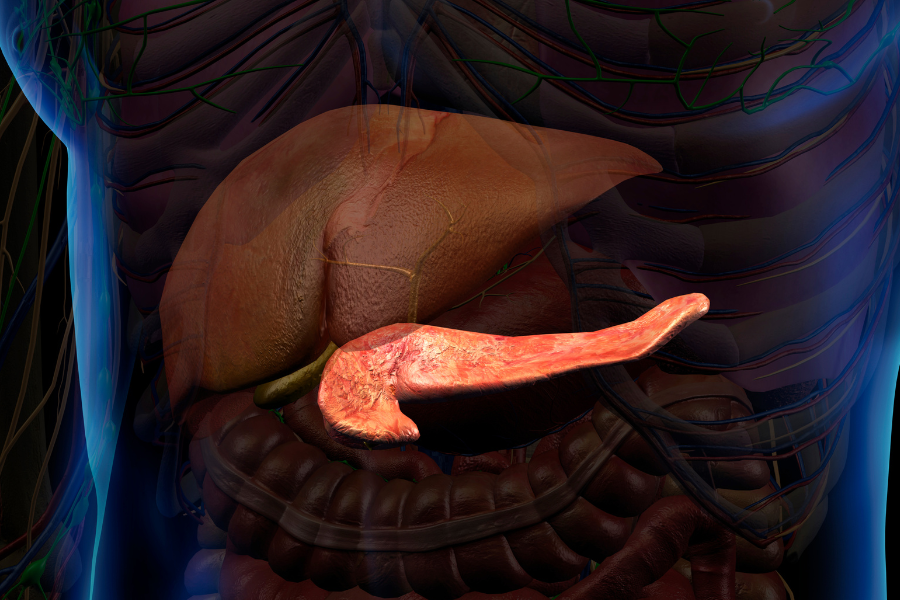
InnoSer offers preclinical research services using three distinct T1D mouse models: the NOD spontaneous autoimmune model, the STZ-induced model, and the alloxan-induced model, each capturing a distinct aspect of T1D pathophysiology. However, as all models have their unique characteristics and optimal intervention windows, we recommend discussing your study setup in close collaboration with our experts.
InnoSer’s validation data of the NOD mouse model
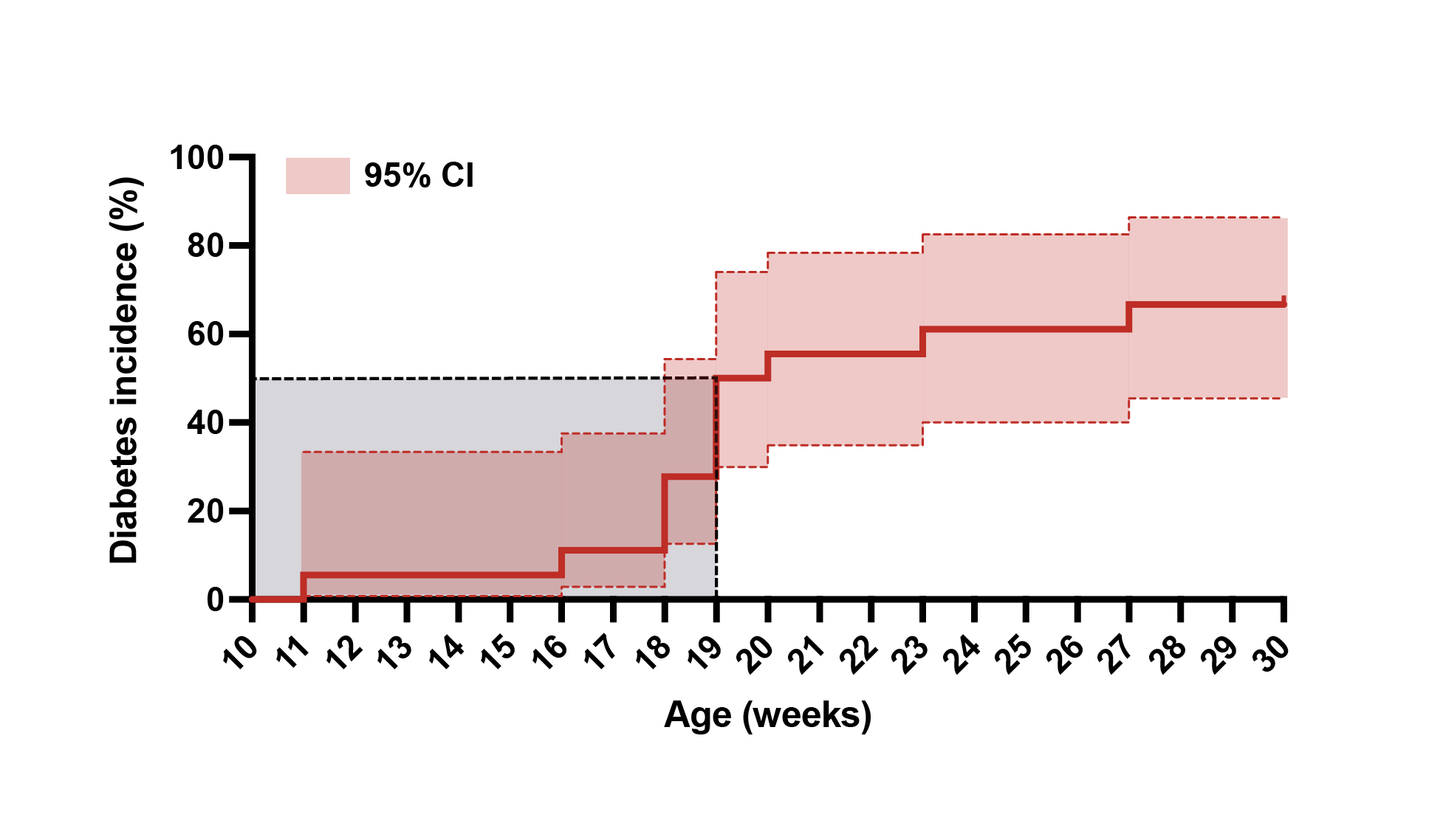
Female NOD mice reliably recapitulate spontaneous diabetes development, reaching 50% diabetes incidence by 19 weeks of age
Female NOD mice (n=18) were enrolled at 12 weeks of age and followed up longitudinally until 30 weeks of age. Non-fasting blood glucose levels were measured weekly via tail vein blood sampling from 11 to 30 weeks of age to monitor diabetes onset and progression. Type 1 diabetes was confirmed when blood glucose exceeded 250 mg/dL for two consecutive measurements. The variability in the onset and severity of diabetes in NOD mice mimics the variability in human disease progression. In accordance with the literature, some animals did not progress to overt hyperglycemia, although histological analysis still revealed varying degrees of insulitis (islet inflammation) (Ehall et al., 2026).
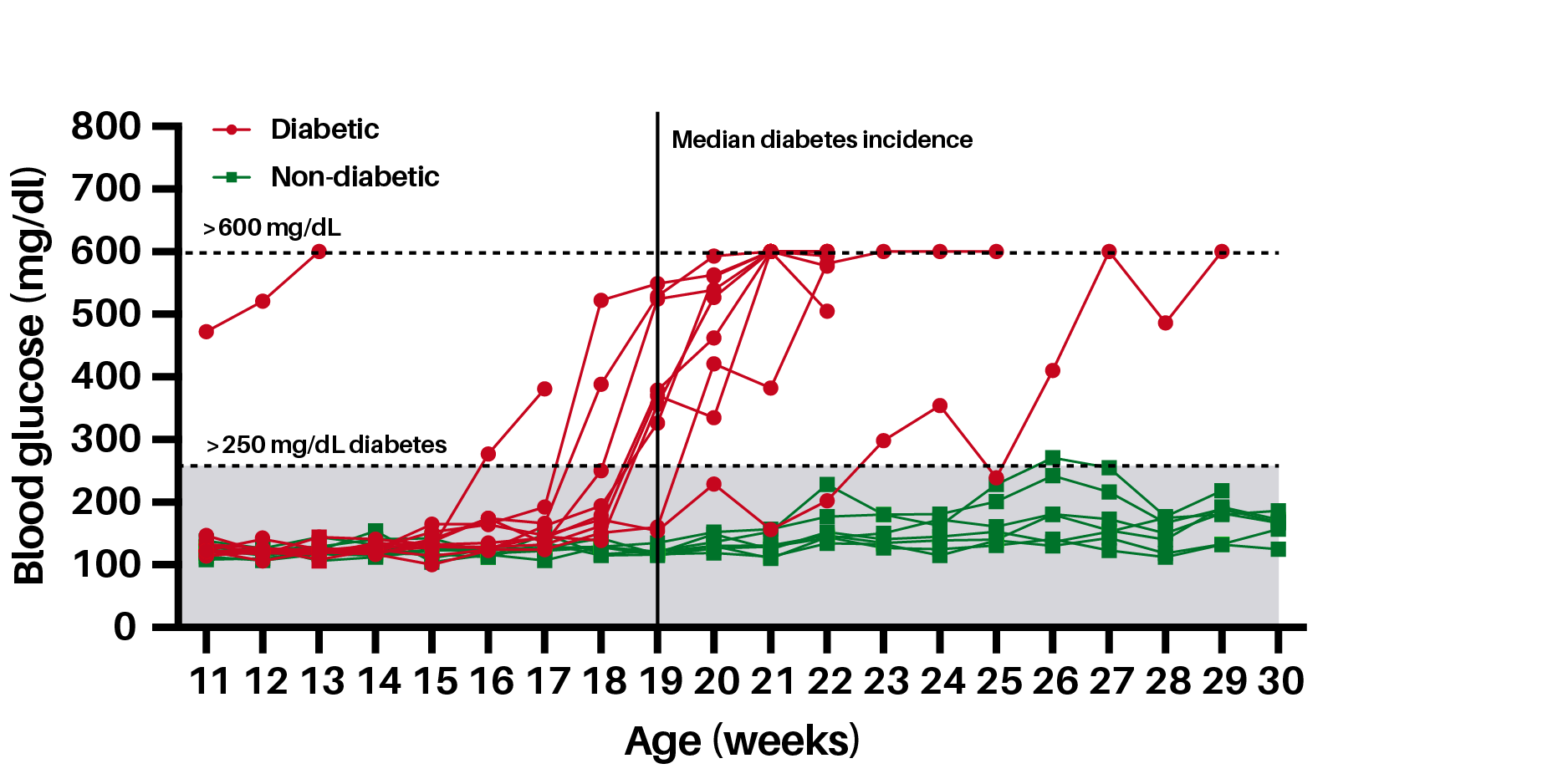
Female NOD mice develop progressive hyperglycaemia following spontaneous onset of type 1 diabetes
Female NOD mice (n=18) were monitored longitudinally from 11 to 30 weeks of age using weekly non-fasting blood glucose measurements obtained via tail vein sampling. Mice that developed diabetes (n=11) exhibited sustained elevations in blood glucose levels above the diagnostic threshold (>250 mg/dL), while non-diabetic animals (n=7) maintained normoglycaemic profiles throughout the study. Animals reaching severe hyperglycaemia (>600 mg/dL) were humanely terminated according to predefined study endpoints. The variability in diabetes onset and disease severity observed in NOD mice closely reflects the heterogeneous progression of type 1 diabetes in patients, supporting the relevance of this model for efficacy testing and disease-modifying interventions. In accordance with the literature, some animals did not progress to overt hyperglycemia, although histological analysis still revealed varying degrees of insulitis (islet inflammation) (Ehall et al., 2026)
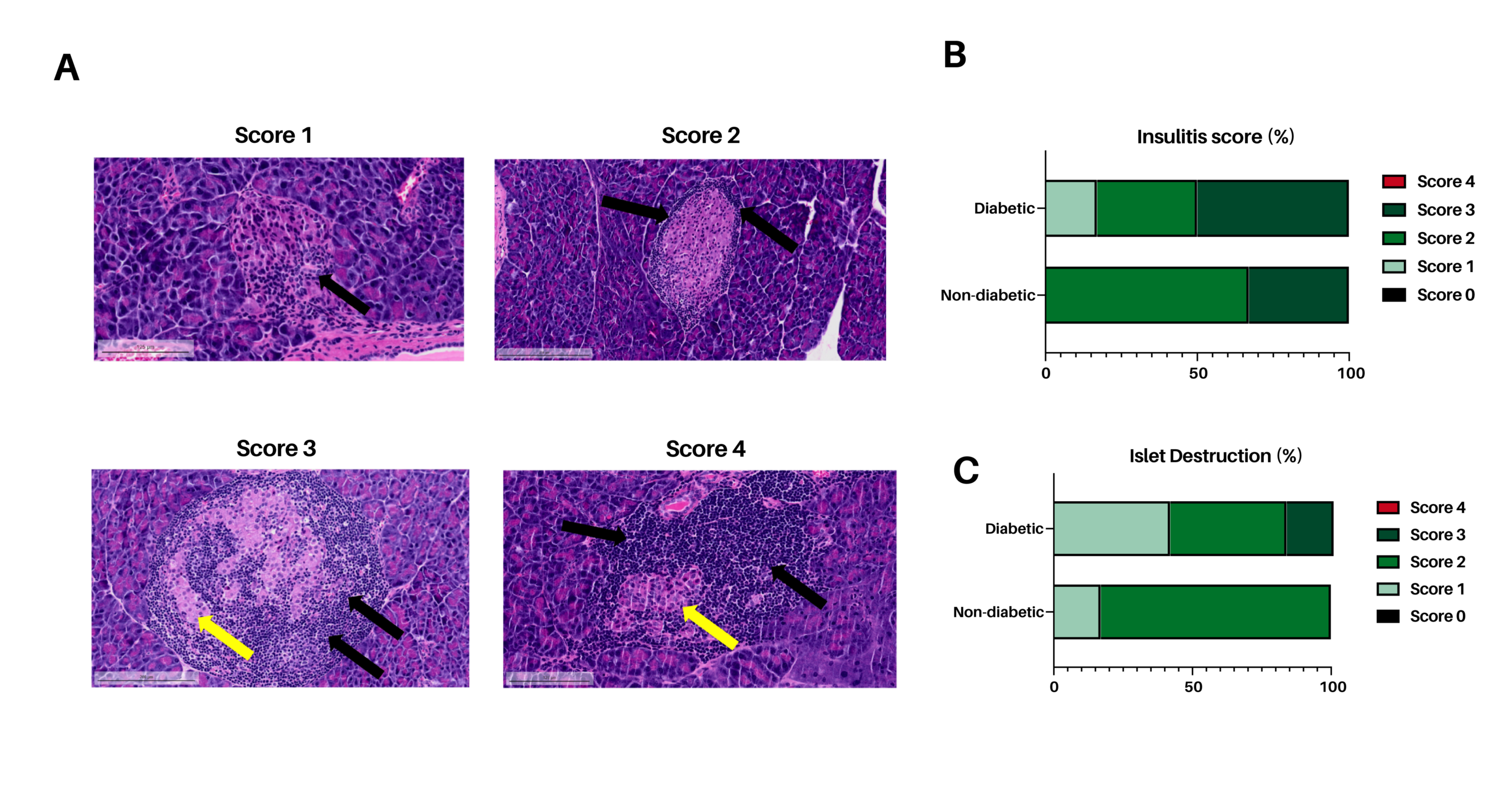
Female NOD mice develop progressive insulitis and pancreatic islet destruction, reproducing the autoimmune pathology underlying type 1 diabetes
Pancreatic sections were evaluated using a semi-quantitative insulitis scoring system ranging from peri-islet inflammatory infiltration (Grade 1) to extensive mononuclear cell infiltration with severe beta-cell destruction and islet loss (Grade 4). Virtually all female NOD mice exhibited some degree of insulitis, including normoglycemic animals, reflecting the fact that autoimmune infiltration of pancreatic islets precedes overt diabetes onset. While most mice progress to extensive beta-cell destruction and hyperglycemia, a small subset remains in a mild or non-progressive insulitis state, mirroring the heterogeneity observed during human type 1 diabetes development.
Key readouts in the NOD mouse model
あなたの研究を支える人々

ヤニック・ファントン博士、最高科学責任者
イノサーの最高科学責任者として、ヤニックはイノサーにおける全ての顧客調査を担当し、科学的・技術的な調整業務を統括している。

Lisa Claes, Study Director
Lisa helps you choose the right tools and set up optimal study designs. Curating the preclinical testing of your lead compounds with a deep understanding of the field is your solution to accelerating your drug development.

ルーヴェン糖尿病研究所
InnoSer works closely with the lab of Prof. Dr. Chantal Mathieu, integrating their state-of-the-art type 1 diabetes expertise to help our clients design robust, translationally relevant preclinical studies, ultimately accelerating the development of new therapies.
よくあるご質問
How is the study termination determined in the NOD mouse model at InnoSer?
Mice are screened regularly for blood glucose, with diabetes onset defined as two consecutive readings above 250 mg/dL. Following confirmed diabetes onset, animals are monitored further and sacrificed once they reach severe hyperglycemia, defined as two consecutive blood glucose readings above 600 mg/dL.
In line with animal welfare recommendations, the consensus is to use persistent hyperglycemia (>600 mg/dL) with clinical signs and body conditions to determine when the mice are reaching humane endpoints, intervening before severe suffering develops, reflecting both established practice in the NOD model literature and InnoSer’s commitment to the 3Rs of animal research.
Contact our team to discuss endpoint criteria and study timelines for your programme.
Why are female NOD mice primarily used in efficacy studies?
InnoSer standardly works according to regulatory guidelines to include both male and female rodents in preclinical studies to gain insight into sex differences in disease manifestation and response to therapies. However, the NOD mouse model shows a marked and well-documented sex difference in spontaneous diabetes incidence across scientific literature (Rosmalen et al., 2001). Accordingly, research has shown that while 60–80% of females develop diabetes, in male NOD mice the prevalence is only 20-30%.
Therefore, this has great practical implications for study design of preclinical efficacy studies, meaning that fewer animals are needed to achieve adequate group sizes and, therefore, statistical power to detect significant results.
How does the NOD mouse model of type 1 diabetes differ from induced mouse models of diabetes?
The critical distinction between the NOD mouse model and a chemically induced mouse model lies in the mechanism of beta cell loss. The NOD mouse model presents with spontaneous diabetes development due to a polygenic genetic background that promotes immune dysregulation, loss of self-tolerance, and T-cell-mediated destruction of pancreatic beta cells. In the NOD mouse, autoreactive T cells begin infiltrating the pancreatic islets from approximately 3–4 weeks of age, progressively destroying insulin-producing beta cells through a staged immune process that mirrors the immunological sequence of human type 1 diabetic disease onset.
In contrast, STZ-induced diabetes mouse model relies on beta cell cytotoxicity rather than autoimmune destruction, failing to recapitulate the preclinical autoantibody phase seen in humans. It is, however a fast, highly reproducible preclinical mouse model of diabetes that is well-suited to evaluate early efficacy of insulin replacement strategies, glucose-lowering compounds, and beta cell regeneration approaches.
Similarly, the STZ-induced diabetes mouse model and the alloxan-induced diabetes mouse model lead to rapid chemically induced hyperglycemia without an autoimmune component. Alloxan is an urea derivative that induces selective necrosis of pancreatic islet beta cells by generating highly reactive hydroxyl radicals that cause DNA fragmentation.
Therefore, for programmes targeting the autoimmune mechanisms of T1D, the NOD model is the appropriate choice. For rapid, reproducible beta cell ablation independent of immune mechanisms, STZ or alloxan are the most practical platforms and often most useful for early-stage efficacy.
Contact our team to discuss which model best fits your compound’s mechanism and development stage.
Which intervention windows are available at InnoSer using the NOD mouse model?
InnoSer supports three distinct intervention paradigms in the NOD mouse model, each designed to address a different therapeutic hypothesis and stage of disease:
- Prevention studies(prediabetic window): Prevention studies in the NOD mouse model are initiated before insulitis onset and overt disease establishment, marking the earliest and most immunologically permissive window. This design is most relevant for immune tolerance-inducing approaches and prophylactic immunotherapy strategies.
- Prevention studies (early-onset window): Preventive studies can be performed in the NOD mouse model during the early disease-onset window, which arises as a critical checkpoint where nondestructive peri-insulitis transitions into destructive intrainsulitis. Similarly to running prevention studies in the prediabetic window, this study design is most suitable for immune-based approaches.
- Therapeutic intervention studies(dosing starts once disease isestablished): Type 1 diabetes in the NOD mouse model is defined as confirmed blood glucose above 250 mg/dL on two consecutive measurement timepoints, meaning that dosing typically begins around weeks 20 of age (median age of diabetes onset in the NOD mouse model at InnoSer labs was 19 weeks of age, see figures in the section above). These paradigms address the most clinically relevant patient population: individuals who already have overt T1D and require disease modification or beta cell preservation rather than prevention. Compared to prevention studies, therapeutic intervention studies are most suitable for efficacy evaluation of combination strategies focusing on immune modulation as well as therapies that promote beta cell regeneration.
Importantly, all study timelines and intervention windows are thoroughly discussed with InnoSer’s scientific team based on your compound’s mechanism, dosing requirements, and target endpoints.
Contact us to discuss the optimal intervention window for your programme now.
その他の関連する代謝疾患マウスモデルを発見する


その他の関連する免疫学マウスモデルを発見する


好奇心を持ち続けよう:さらに探求できる記事
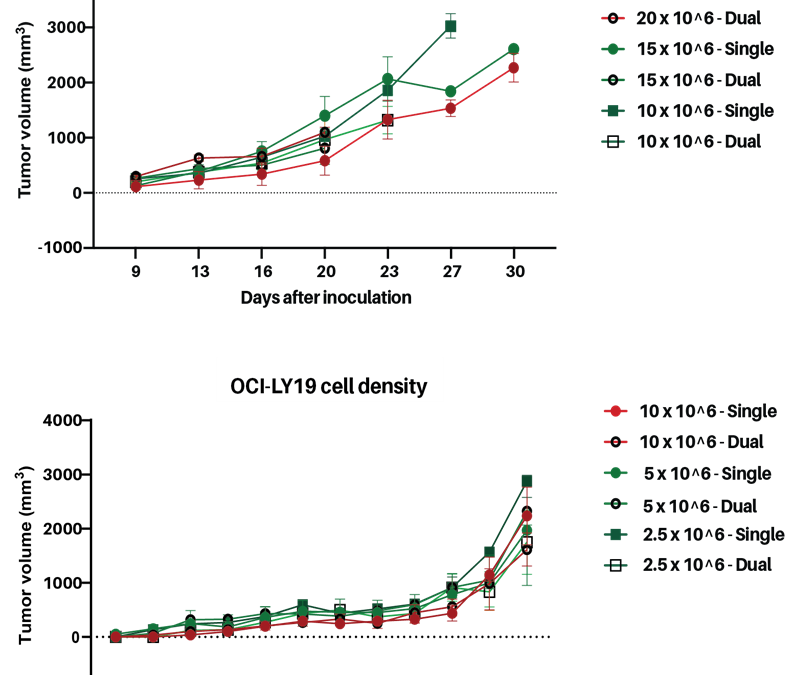
前臨床腫瘍学のための個別化リンパ腫CDXマウスモデル
最近の研究において、我々は、OCI-Ly19(びまん性大細胞型B細胞リンパ腫、DLBCL)およびREC-1(マントル細胞リンパ腫)の細胞株から作製された、2つの新しいヒトリンパ腫細胞株由来異種移植(CDX)モデルを確立し、その妥当性を検証した。これらのモデルは、戦略的な...

免疫腫瘍学研究におけるマルチプレックスサイトカインおよび免疫細胞プロファイリング
メソスケール・ディスカバリー(MSD)プラットフォームは、高感度かつ多重のサイトカインプロファイリング分析システムであり、ごく微量のサンプル(わずか1μL)から複数の標的サイトカイン、ケモカイン、抗体、成長因子を同時に定量することが可能です。これにより...

膵臓癌患者由来異種移植モデル
先月11月は膵臓がん啓発月間でした。これは最も攻撃的で致死率の高いがん種の一つがもたらす課題に焦点を当てる時期です。膵臓がんは欧州で診断される全がんの約3%を占め、膵臓...

InnoSerの主要なin vitro腫瘍学サービスを探る:PD-1/PD-L1遮断アッセイ
腫瘍学における免疫チェックポイント阻害剤の創薬近年、免疫チェックポイント阻害は免疫腫瘍学における画期的な治療戦略として台頭している。プログラム細胞死1受容体(PD-1)とそのリガンドであるプログラム細胞死リガンド1(PD-L1)...
AAALAC認定
InnoSerはAAALAC認証を取得し、責任ある動物ケアと利用への取り組みを実証しています。AAALAC Internationalは、自主的な認証および評価プログラムを通じて科学における動物の適切な扱いを推進する非営利組織です。InnoSerのオランダおよびベルギー施設は、それぞれ2016年および2020年よりAAALAC認証を取得しています。AAALAC認証プログラムの詳細はこちらをご覧ください。

動物福祉
3R原則は、政策や規制の変更から新技術・手法の開発と普及に至るまで、あらゆる分野に影響を及ぼします。このためInnoSerは、これらのプロセスに対する継続的な取り組みと監視を実施しています。当社が実践する手順は、動物実験の代替・削減・改善を最大限に実現し、研究および医薬品開発におけるこれらの原則への取り組みを促進します。
info@innoserlaboratories.com