
炎症性腸疾患(IBD)のマウスモデル
dを強化するevelopを 独自の 斬新な 治療法の開発を IBD患者の腸内環境を改善するための InnoSer社の 前臨床 専門知識および およびIBDマウスモデルのポートフォリオを活用して
IBDマウスモデルの主な特徴
炎症性腸疾患(IBD)は、その病因がまだ完全には解明されていない、腸管に生じる慢性かつ再発性の炎症である。IBDには、クローン病(CD)と潰瘍性大腸炎(UC)という2つの主要な疾患が含まれる。これらの疾患の主な病態生理学的特徴は、マウスモデルを用いて効果的に再現することができる。
現在、ヒトの疾患の病態生理を正確に再現するために、げっ歯類モデルを用いてIBDをモデル化する手法として、相互に補完し合う複数のアプローチが存在します。 InnoSerでは、化学的誘導モデル、養子移植モデル、トランスジェニックマウスモデルなど、検証済みのさまざまなIBDマウスモデルを提供しています。各モデルはIBDの特定の側面を再現しており、炎症の抑制、上皮修復、マイクロバイオームを標的とした治療、自然免疫および/または獲得免疫の調節など、さまざまな治療メカニズムの有効性を研究することが可能です。 当社は、低分子医薬品、抗炎症剤、生物学的製剤、およびその他の革新的な治療法に焦点を当てた前臨床研究を支援いたします。InnoSerが提供するIBDマウスモデルの詳細については、以下のリーフレットをダウンロードいただくか、当社の研究専門家チームまでお問い合わせください。
✓ デキストラン硫酸ナトリウム(DSS)を用いたIBDマウスモデル
✓ TNBS(トリニトロベンゼンスルホン酸)を用いた大腸炎マウスモデル

InnoSerは、前臨床CROとして、確立された臨床的に意義のあるIBDモデルを採用し、標準化された試験プロトコルと組み合わせることで、結果の一貫性と再現性を確保しています。InnoSerを前臨床IBD CROとしてお選びいただければ、お客様の試験に対して協働的なアプローチをとる専門知識豊富な試験責任者と連携して取り組むことができます。
柔軟かつ迅速な研究開始時期により、IBDの研究を加速させることができます。前臨床段階のIBD研究をInnoSerに委託することで、当社のin vitroおよびin vivo免疫学に基づく創薬ポートフォリオを活用することができます。
IBDの研究はここから始まります。
InnoSerが提供するIBDマウスモデルに関する、詳細な研究スケジュール、重要な測定結果、および確固たる検証データをご覧ください。

IBDマウスモデルのサンプルデータ

デキストラン硫酸ナトリウム(DSS)誘発性大腸炎IBDマウスモデルは、IBDの臨床前研究において比較的容易かつ迅速に構築できるモデルである。
結腸のH&E染色組織像ic DSS誘発性大腸炎 DSS誘発性大腸炎 の組織学的H&E染色像には、炎症、および陰窩の の減少、 上皮細胞の喪失、 絨毛の高さおよび絨毛周囲長の減少。

デキストラン硫酸ナトリウム(DSS)誘発性大腸炎IBDマウスモデルは、IBDに関する前臨床研究において、比較的容易かつ迅速に構築できる研究モデルである。
C57BL/6系統の雄マウスに対し、無処置群(対照群)または飲用水にさまざまな濃度(1.5%、2%、2.5%、3%)のDSSを添加した群に分け、投与を行った。これに対し 急性 DSSによるに対し、 マウスでは、マウスにおけるIBDの病態進行を示す主要なマーカーである疾患活動性指数(DAI)スコアが進行性上昇を示した。 DAIスコアは、便の組成、出血、および体重減少率を評価対象としている。

デキストラン硫酸ナトリウム(DSS)誘発性大腸炎IBDマウスモデルは、IBDに関する前臨床研究において、比較的容易かつ迅速に構築できる研究モデルである。
C57BL/6系統の雄マウスに対し、無処置群(対照群)または飲用水に異なる濃度(1.5%、2%、2.5%、3%)のDSSを添加した群に分け、処置を行った。DSSによる急性処置に対して、マウスの結腸長は投与量に依存して短縮した。

デキストラン硫酸ナトリウム(DSS)誘発性大腸炎IBDマウスモデルは、IBDに関する前臨床研究において、比較的容易かつ迅速に構築できる研究モデルである。
C57BL/6系統の雄マウスに対し、無処置群(対照群)または飲用水に異なる濃度(1.5%、2%、2.5%、3%)のDSSを添加した群に分け、処置を行った。DSSによる急性投与に対し、マウスの結腸重量(体重で補正済み)は投与量に依存して減少した。

デキストラン硫酸ナトリウム(DSS)誘発性大腸炎IBDマウスモデルは、IBDに関する前臨床研究において、比較的容易かつ迅速に構築できる研究モデルである。
C57BL/6系統の雄マウスに対し、無処置群(対照群)または飲用水にさまざまな濃度(1.5%、2%、2.5%、3%)のDSSを添加した群に分け、投与を行った。 これに対し DSSによる DSSによる急性投与に対し、マウスでは は、DSSによる急性 体重の漸進的な減少を示し、大腸炎の発症が確認された。
IBDマウスモデルの解析結果
あなたの研究を支える人々

セリーヌ・エレンス博士、免疫学研究 ディレクター
当社の免疫学研究責任者が率いる専門家チーム セリーヌ・エレンス博士が率いる専門家チームが、 セリーヌ・エレンス博士が率いる専門チームが、お客様と協力し、 最適な 研究設計を確立するお手伝いをいたします。分野への深い理解をもって貴社のリード化合物の前臨床試験をキュレーションすることは、貴社の医薬品開発を加速させるための解決策です。

L.J.A.C(ルーク)・ハウィンケルス博士、准教授/消化器・肝臓病学研究室長、LUMC(オランダ)
ハウィンケルス博士は、InnoSerの外部アドバイザーを務めています。同博士の研究室では、炎症性腸疾患(IBD)、炎症、および消化器疾患の発症と進行における線維芽細胞間の相互作用に焦点を当てた研究を行っています。
よくあるご質問
IBDマウスモデルとは何ですか?
炎症性腸疾患(IBD)のマウスモデルは、消化管の慢性炎症性疾患、特に潰瘍性大腸炎やクローン病の研究に用いられています。これらの疾患は、免疫系の調節異常を特徴とし、それが腸の炎症、損傷、および潰瘍化を引き起こします。前臨床研究において、IBDモデルは、これらの疾患の病態生理を評価し、治療法の有効性を検証するのに役立っています。
IBDマウスモデルのリーフレットをダウンロードして、IBDモデルが前臨床研究の加速にどのように活用されているかについて、詳しくご覧ください。
マウスにIBDを誘発するにはどうすればよいですか?
- デキストラン硫酸ナトリウム(DSS)誘発法:DSSは、腸上皮バリアを破壊し、急性大腸炎を引き起こす、一般的に使用される化学物質である。マウスに一定期間、飲料水にDSSを添加して投与した後、回復期を設ける。このモデルは、急性炎症、腸管損傷、および免疫応答の研究に広く利用されている。DSSは急性および慢性的に投与することができ、それによって疾患の進行経過が異なる。
- T細胞移植モデル:この手法では、ドナーマウスからCD4+ T細胞を単離し、それを受容体マウスに移植することで、慢性大腸炎を誘発する。このモデルは、T細胞を介した炎症によって引き起こされるため、IBDの自己免疫的な側面を再現している。特に、T細胞の相互作用や免疫療法の研究に有用である。
- 遺伝子改変マウス:IL-10ノックアウトマウスなど、一部の遺伝子改変マウスでは、ヒトの炎症性腸疾患(IBD)に類似した慢性大腸炎が自然発症する。これらのマウスは免疫調節機能に障害があるため、免疫寛容や慢性炎症に関する長期的な研究において有用である。
- トリニトロベンゼンスルホン酸(TNBS)による誘導:TNBSは、結腸内のタンパク質を化学的に修飾し、免疫反応を誘発することで、大腸炎を誘導するために用いられる。このモデルは、腸管におけるTh1優位の炎症や組織損傷の研究に広く利用されている。
結腸の炎症や疾患の重症度を、結腸の切断部位に起因する可能性のあるばらつきを回避しつつ、どのように評価すればよいでしょうか?
- 縦断切片:結腸の縦断切片を作成することで、腸組織をより包括的に観察することができます。縦断切片を作成することで、結腸全体を評価することができ、結腸の一部のみを採取した場合に生じうるばらつきを低減できます。また、この手法により、結腸の炎症や病変の分布をより正確に把握することが可能になります。
- 組織病理学的スコアリング:切片作成後、当院の獣医病理医が組織病理学的解析を行い、炎症細胞の浸潤、組織損傷、および潰瘍の有無を評価します。さらに、標準化されたスコアリングシステム(例:組織学的疾患活動性指数)を用いることで、サンプル間で一貫性を持って炎症の重症度や範囲を評価し、観察者バイアスを最小限に抑えることができます。
マウス系統によって、疾患の経過や発症に違いはありますか?
DSS誘発性大腸炎のようなモデルでは、C57BL/6などの系統では重度かつ急性の炎症が見られることが多いのに対し、BALB/cマウスではより軽度の疾患や、より慢性的な炎症パターンを示すことがある。遺伝子改変系統(例:IL-10ノックアウトマウス)は、免疫調節機能の障害により通常、慢性IBDを発症するため、長期的な疾患の進行を研究するのに理想的である。 マウス系統の選択は、免疫応答、疾患の経過、および治療的介入の有効性に影響を与えるため、研究を設計する上で極めて重要です。
マイクロバイオームが研究結果に大きな影響を与えることを踏まえると、マイクロバイオームそのものやその影響、そして治療法の相違に、どのように対処すればよいのでしょうか?
炎症性腸疾患(IBD)の研究において、信頼性が高く再現性のある結果を得るためには、マイクロバイオームの一貫性を維持することが極めて重要です。InnoSerでは、IBD研究における結果の信頼性と再現性を確保するために、以下のような対策を講じています。
- マウスの共同飼育:IBDの研究では、個体間のマイクロバイオーム組成の差異を軽減するために、マウスを共同飼育しています。共同飼育により、個体間で自然な微生物の移入が行われ、群間でより一貫性のあるマイクロバイオームが形成されます。これにより、隔離飼育から生じうるばらつきを軽減し、研究対象となるすべてのマウスに対してより均一な条件を提供することができます。 また、共同飼育により、同じケージ内のマウスを異なる処置群に分けることも可能になります。これにより、ケージ間のマイクロバイオームの違いを考慮に入れ、研究結果に対するマイクロバイオームの潜在的な交絡要因を低減することができます。このアプローチにより、処置効果がマイクロバイオームの変動による影響を受けにくくなり、処置の真の影響をより正確に反映できるようになります。
- 環境条件の標準化:また、マイクロバイオームの構成に影響を与える可能性のある外的要因を排除するため、飼育条件(餌、寝床、環境制御など)も標準化しています。これらの環境変数を制御することで、研究グループ間でより一貫性のあるマイクロバイオームプロファイルが得られるようにしています。
当社の前臨床IBD研究において、結果の一貫性をどのように確保しているかについて詳しくお知りになりたい場合は、研究責任者までお問い合わせください。
各モデルの脱落率はどのくらいですか?また、これを研究デザインに組み込んでいますか?
IBD研究における脱落率は、研究期間、DSSの影響、動物の系統や性別などの要因によって異なりますが、およそ10~15%と推定されています。これは、1群あたりの12匹の動物のうち、合併症により約1~2匹が脱落する可能性があることを意味します。
ただし、統計的検出力を十分に確保するため、群内の変動を考慮して、対象動物数を約20%増やすことを推奨します。このアプローチにより、信頼性の高い研究結果を維持し、結論を導き出すのに十分なデータが得られないリスクを最小限に抑えることができます。
お客様の具体的な研究デザインに最適な動物数を見極め、統計的有意性を確保するため、当社の科学チームまでお問い合わせください。
特にお勧めする測定項目はありますか?
IBDマウスモデルにおいて、有効性を評価するための標準的な指標には、臨床所見および 疾患活動性指数(DAI)が含まれます。これらはいずれも疾患の進行を示す重要なマーカーであり、化合物の有効性を経時的に評価することを可能にします。さらに、有効性を確実に評価できるよう、臨床所見とDAIは毎日評価されます。DAIは、初期体重に対する体重減少率、便の硬さ、および出血を総合的に評価したスコアです。
研究目標、化合物の作用機序(MoA)、および研究スケジュール(すなわち、初期の概念実証試験を実施したいのか、それとも化合物のMoAについて詳細な検証を行いたいのか)に応じて、以下の評価項目を追加することができます:
- 腸管透過性および増殖(FITC-デキストランおよびBrdUアッセイ):バリア機能の健全性を判定し、上皮細胞の再生を評価するのに役立ち、試験化合物が腸管透過性および修復にどのような影響を与えるかを理解するのに役立ちます。
- 組織病理学および免疫組織化学(IHC):組織の炎症を評価するのに役立ちます。結腸の組織病理学的活動性指数を用いることで、構造的損傷や免疫細胞の浸潤を定量的に評価することができます。
- マルチプレックスMSDおよび/またはELISAによるサイトカインプロファイリング(IL-1β、IL-6、TNF-α、リポカリン-2):大腸組織内の局所的な炎症反応に関する重要な知見を提供し、試験化合物が免疫系にどのような調節作用を及ぼすかを理解する上で不可欠な情報を得ることができます。
- フローサイトメトリーによる免疫細胞プロファイリング:免疫細胞集団の詳細な分析を提供し、炎症反応の理解を深めることができます。InnoSerでは、定評のあるフローサイトメトリー用免疫細胞パネルをご用意しているほか、ご要望に応じてカスタマイズされたパネルの構築も承っております。
- ミエロペルオキシダーゼ(MPO)活性測定:結腸における急性炎症および免疫活性化のマーカーとして、好中球の浸潤を測定する。
当社の専門知識を持つ研究責任者にご連絡いただき、お客様の現在の研究目標に最も適した解析結果についてお問い合わせください。
DSSマウスモデルに適した陽性対照とはどのようなものですか?
適切な陽性対照を使用することは、IBDマウスモデルにおける免疫応答を検証し、新規治療化合物の有効性を評価し、そして何よりも、既存の治療法と比較して当該化合物の治療プロファイルを評価するために不可欠です。
陽性対照の選択は、研究の仮説(炎症、上皮修復、あるいは免疫調節のいずれを対象とするか)によって異なります。デキストラン硫酸ナトリウム(DSS)誘発性大腸炎モデルにおいて、炎症を軽減し、大腸の損傷を緩和することが知られている6-チオグアニンは、優れた陽性対照となります(Kverka et al., 2011)。 DSSマウス研究で使用可能なもう一つの陽性対照として、シクロスポリンが挙げられる。これはカルシニューリン阻害剤であり、T細胞の活性化を抑制し、免疫抑制剤として広く使用されている。その有効性は、いくつかの臨床試験において潰瘍性大腸炎患者に対して確認されている(Weissman et al., 2019)。
その他の関連する免疫学マウスモデルを発見する


好奇心を持ち続けよう:さらに探求できる記事
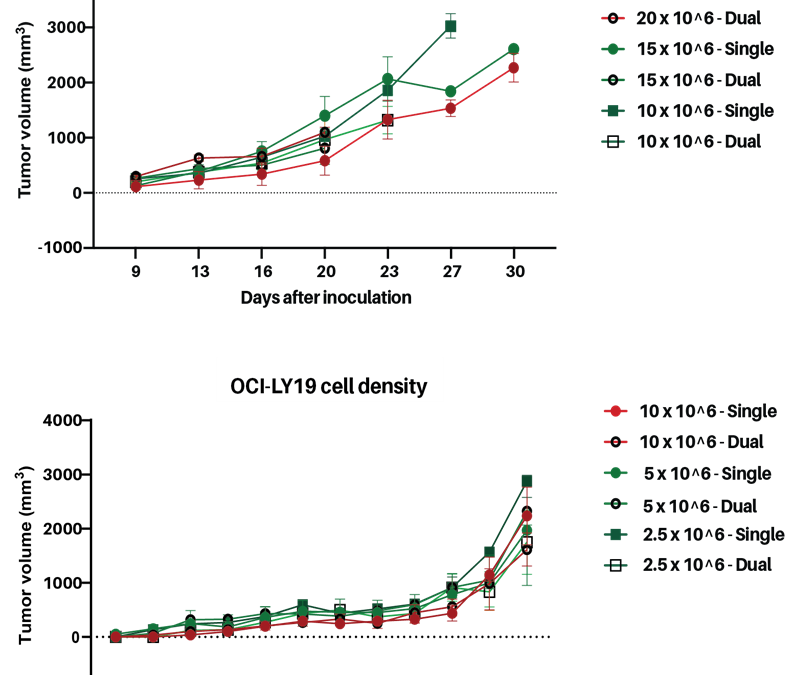
前臨床腫瘍学のための個別化リンパ腫CDXマウスモデル
最近の研究において、我々は、OCI-Ly19(びまん性大細胞型B細胞リンパ腫、DLBCL)およびREC-1(マントル細胞リンパ腫)の細胞株から作製された、2つの新しいヒトリンパ腫細胞株由来異種移植(CDX)モデルを確立し、その妥当性を検証した。これらのモデルは、戦略的な...

免疫腫瘍学研究におけるマルチプレックスサイトカインおよび免疫細胞プロファイリング
メソスケール・ディスカバリー(MSD)プラットフォームは、高感度かつ多重のサイトカインプロファイリング分析システムであり、ごく微量のサンプル(わずか1μL)から複数の標的サイトカイン、ケモカイン、抗体、成長因子を同時に定量することが可能です。これにより...

膵臓癌患者由来異種移植モデル
先月11月は膵臓がん啓発月間でした。これは最も攻撃的で致死率の高いがん種の一つがもたらす課題に焦点を当てる時期です。膵臓がんは欧州で診断される全がんの約3%を占め、膵臓...

InnoSerの主要なin vitro腫瘍学サービスを探る:PD-1/PD-L1遮断アッセイ
腫瘍学における免疫チェックポイント阻害剤の創薬近年、免疫チェックポイント阻害は免疫腫瘍学における画期的な治療戦略として台頭している。プログラム細胞死1受容体(PD-1)とそのリガンドであるプログラム細胞死リガンド1(PD-L1)...
AAALAC認定
InnoSerはAAALAC認証を取得し、責任ある動物ケアと利用への取り組みを実証しています。AAALAC Internationalは、自主的な認証および評価プログラムを通じて科学における動物の適切な扱いを推進する非営利組織です。InnoSerのオランダおよびベルギー施設は、それぞれ2016年および2020年よりAAALAC認証を取得しています。AAALAC認証プログラムの詳細はこちらをご覧ください。

動物福祉
3R原則は、政策や規制の変更から新技術・手法の開発と普及に至るまで、あらゆる分野に影響を及ぼします。このためInnoSerは、これらのプロセスに対する継続的な取り組みと監視を実施しています。当社が実践する手順は、動物実験の代替・削減・改善を最大限に実現し、研究および医薬品開発におけるこれらの原則への取り組みを促進します。
info@innoserlaboratories.com