
Type 1 diabetes mouse models – Nonobese diabetic NOD mouse model of type 1 diabetes mellitus
Test your immunomodulatory compound in the NOD mouse model of autoimmune type 1 diabetes
Key characteristics of the NOD mouse model of type 1 diabetes
The NOD mouse model represents one of the most established and widely used preclinical mouse models (originally described by Makino et al., 1980) for studying the efficacy of novel therapeutics for treating type 1 diabetes mellitus (T1DM). Due to a polygenic genetic background that promotes immune dysregulation, loss of self-tolerance, and T-cell-mediated destruction of pancreatic beta cells, NOD mice present with spontaneous T1DM development.
In line with published literature and supplier reference data, InnoSer’s in-house validation studies have shown that female NOD mice spontaneously develop T1DM, characterized by blood glucose levels above 250 mg/dL with a median incidence at 19 weeks of age. Consistent with the model’s published phenotype, our datasets confirm progressive disease development, which is characterized by insulitis and atrophy of insulin-producing beta cells.
Therefore, the NOD mouse model represents a mouse model that is relevant for obtaining translationally relevant efficacy datasets suitable for evaluating immunomodulatory therapies, beta-cell protective compounds, prevention strategies, and disease-modifying interventions.
✓ InnoSer offers fully validated in-house NOD study workflows, including longitudinal blood glucose monitoring, diabetes incidence tracking, and histopathology assessments by a board-certified veterinary pathologist
✓ Both prophylactic and therapeutic dosing protocols are available, enabling intervention before diabetes onset or treatment after confirmed hyperglycemia
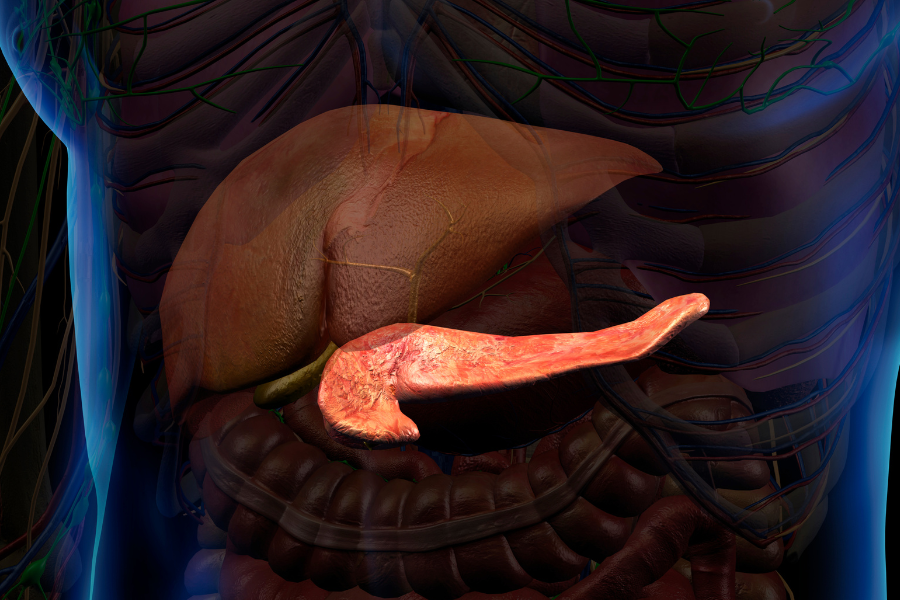
InnoSer offers preclinical research services using three distinct T1D mouse models: the NOD spontaneous autoimmune model, the STZ-induced model, and the alloxan-induced model, each capturing a distinct aspect of T1D pathophysiology. However, as all models have their unique characteristics and optimal intervention windows, we recommend discussing your study setup in close collaboration with our experts.
InnoSer’s validation data of the NOD mouse model
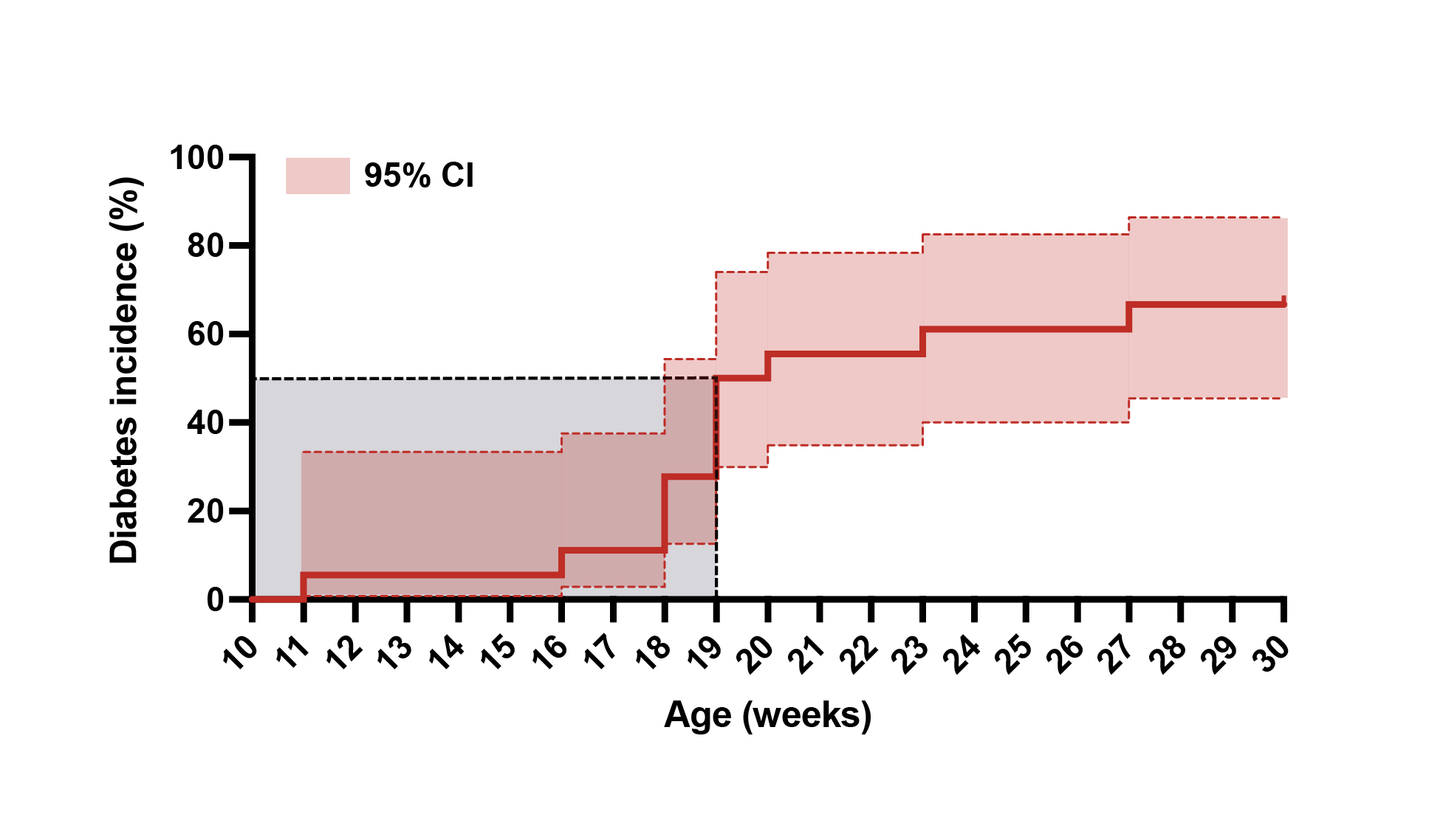
Female NOD mice reliably recapitulate spontaneous diabetes development, reaching 50% diabetes incidence by 19 weeks of age
Female NOD mice (n=18) were enrolled at 12 weeks of age and followed up longitudinally until 30 weeks of age. Non-fasting blood glucose levels were measured weekly via tail vein blood sampling from 11 to 30 weeks of age to monitor diabetes onset and progression. Type 1 diabetes was confirmed when blood glucose exceeded 250 mg/dL for two consecutive measurements. The variability in the onset and severity of diabetes in NOD mice mimics the variability in human disease progression. In accordance with the literature, some animals did not progress to overt hyperglycemia, although histological analysis still revealed varying degrees of insulitis (islet inflammation) (Ehall et al., 2026).
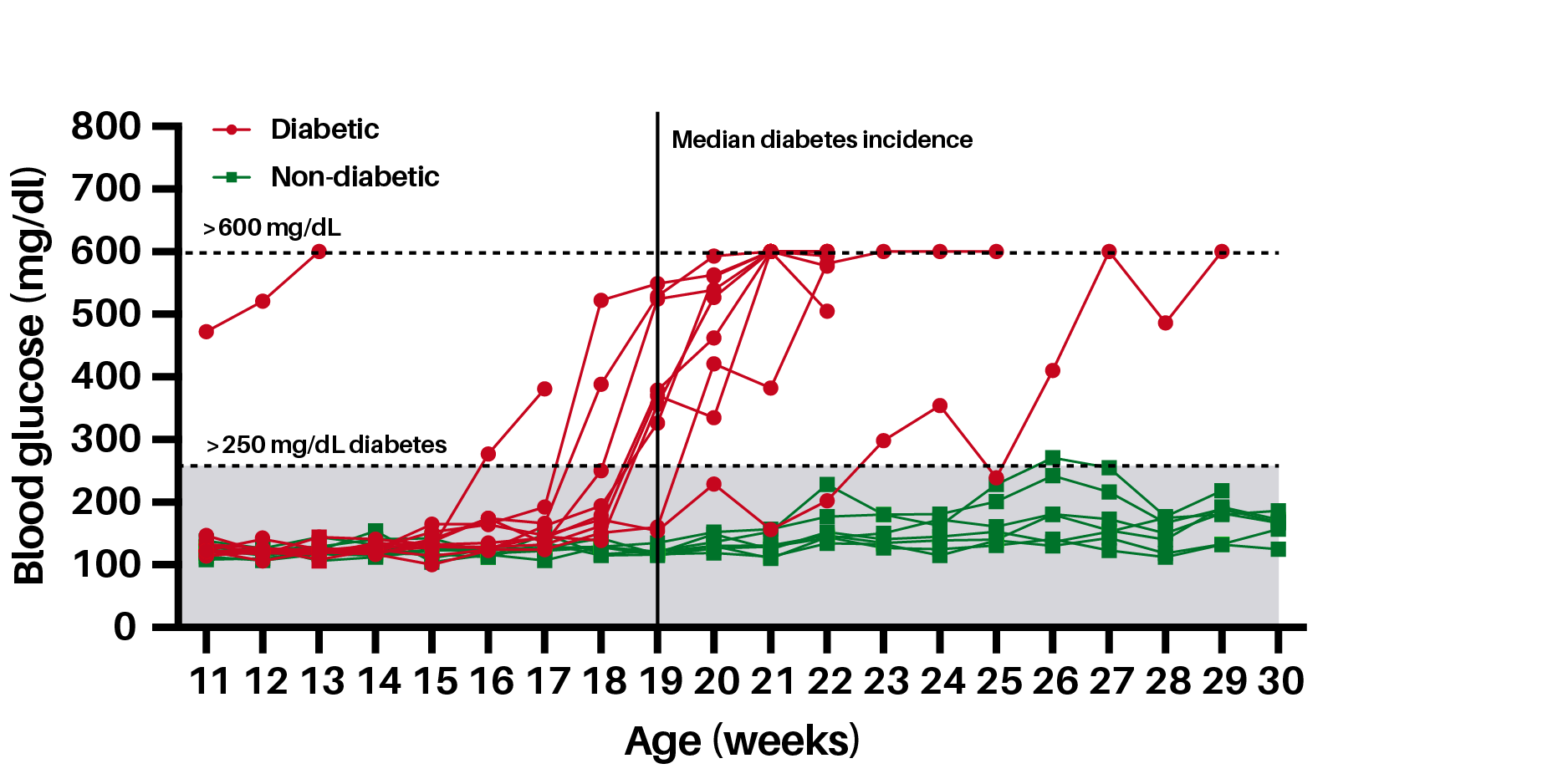
Female NOD mice develop progressive hyperglycaemia following spontaneous onset of type 1 diabetes
Female NOD mice (n=18) were monitored longitudinally from 11 to 30 weeks of age using weekly non-fasting blood glucose measurements obtained via tail vein sampling. Mice that developed diabetes (n=11) exhibited sustained elevations in blood glucose levels above the diagnostic threshold (>250 mg/dL), while non-diabetic animals (n=7) maintained normoglycaemic profiles throughout the study. Animals reaching severe hyperglycaemia (>600 mg/dL) were humanely terminated according to predefined study endpoints. The variability in diabetes onset and disease severity observed in NOD mice closely reflects the heterogeneous progression of type 1 diabetes in patients, supporting the relevance of this model for efficacy testing and disease-modifying interventions. In accordance with the literature, some animals did not progress to overt hyperglycemia, although histological analysis still revealed varying degrees of insulitis (islet inflammation) (Ehall et al., 2026)
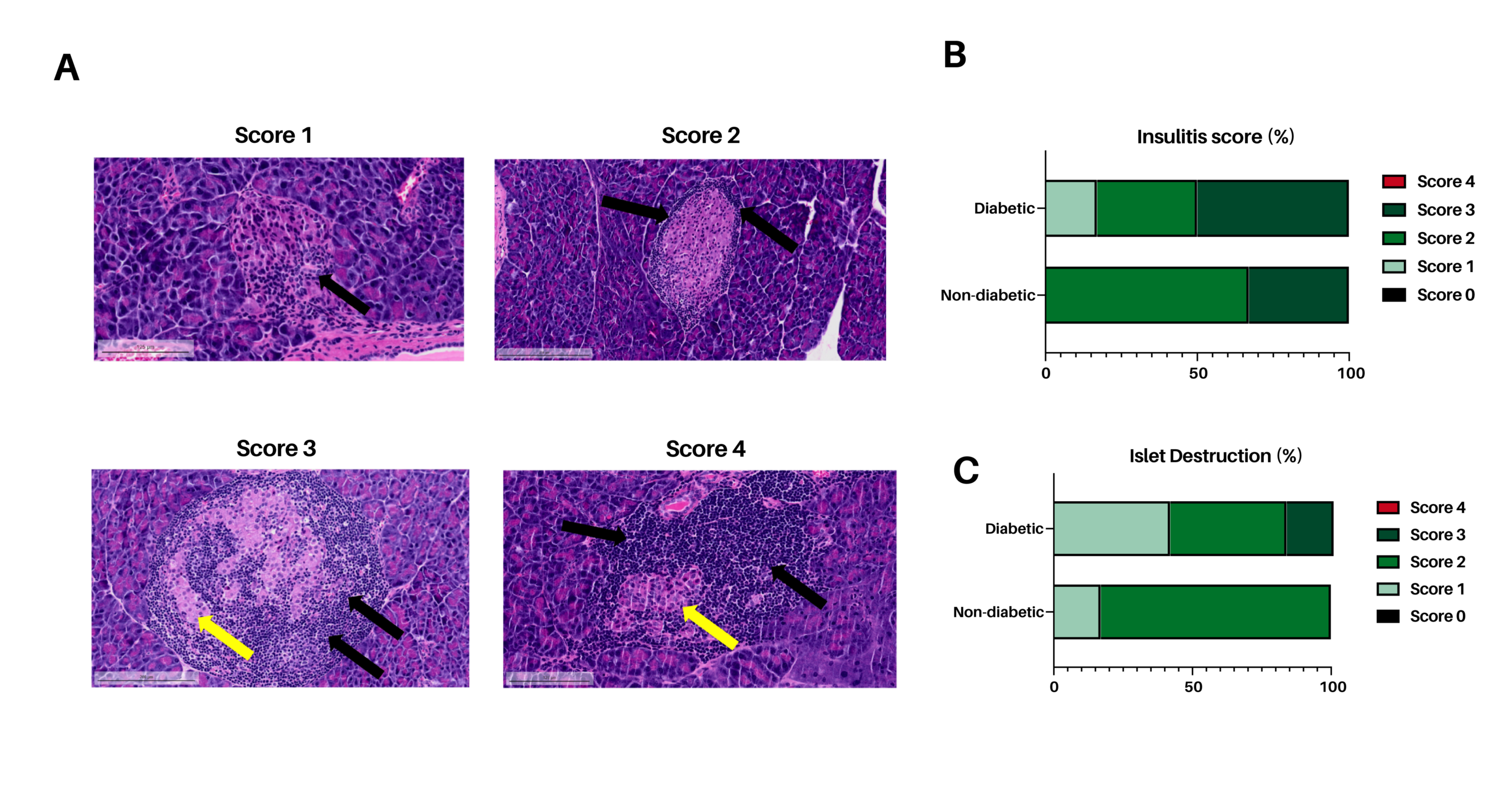
Female NOD mice develop progressive insulitis and pancreatic islet destruction, reproducing the autoimmune pathology underlying type 1 diabetes
Pancreatic sections were evaluated using a semi-quantitative insulitis scoring system ranging from peri-islet inflammatory infiltration (Grade 1) to extensive mononuclear cell infiltration with severe beta-cell destruction and islet loss (Grade 4). Virtually all female NOD mice exhibited some degree of insulitis, including normoglycemic animals, reflecting the fact that autoimmune infiltration of pancreatic islets precedes overt diabetes onset. While most mice progress to extensive beta-cell destruction and hyperglycemia, a small subset remains in a mild or non-progressive insulitis state, mirroring the heterogeneity observed during human type 1 diabetes development.
Key readouts in the NOD mouse model
The People Behind Your Research

Yanick Fanton, PhD, Chief Scientific Officer
As Chief Science Officer at InnoSer, Yanick is responsible for all customer studies at InnoSer and takes care of the scientific and technical coordination.

Lisa Claes, Study Director
Lisa helps you choose the right tools and set up optimal study designs. Curating the preclinical testing of your lead compounds with a deep understanding of the field is your solution to accelerating your drug development.

Leuven Diabetes Lab
InnoSer works closely with the lab of Prof. Dr. Chantal Mathieu, integrating their state-of-the-art type 1 diabetes expertise to help our clients design robust, translationally relevant preclinical studies, ultimately accelerating the development of new therapies.
Frequently Asked Questions
How is the study termination determined in the NOD mouse model at InnoSer?
Mice are screened regularly for blood glucose, with diabetes onset defined as two consecutive readings above 250 mg/dL. Following confirmed diabetes onset, animals are monitored further and sacrificed once they reach severe hyperglycemia, defined as two consecutive blood glucose readings above 600 mg/dL.
In line with animal welfare recommendations, the consensus is to use persistent hyperglycemia (>600 mg/dL) with clinical signs and body conditions to determine when the mice are reaching humane endpoints, intervening before severe suffering develops, reflecting both established practice in the NOD model literature and InnoSer’s commitment to the 3Rs of animal research.
Contact our team to discuss endpoint criteria and study timelines for your programme.
Why are female NOD mice primarily used in efficacy studies?
InnoSer standardly works according to regulatory guidelines to include both male and female rodents in preclinical studies to gain insight into sex differences in disease manifestation and response to therapies. However, the NOD mouse model shows a marked and well-documented sex difference in spontaneous diabetes incidence across scientific literature (Rosmalen et al., 2001). Accordingly, research has shown that while 60–80% of females develop diabetes, in male NOD mice the prevalence is only 20-30%.
Therefore, this has great practical implications for study design of preclinical efficacy studies, meaning that fewer animals are needed to achieve adequate group sizes and, therefore, statistical power to detect significant results.
How does the NOD mouse model of type 1 diabetes differ from induced mouse models of diabetes?
The critical distinction between the NOD mouse model and a chemically induced mouse model lies in the mechanism of beta cell loss. The NOD mouse model presents with spontaneous diabetes development due to a polygenic genetic background that promotes immune dysregulation, loss of self-tolerance, and T-cell-mediated destruction of pancreatic beta cells. In the NOD mouse, autoreactive T cells begin infiltrating the pancreatic islets from approximately 3–4 weeks of age, progressively destroying insulin-producing beta cells through a staged immune process that mirrors the immunological sequence of human type 1 diabetic disease onset.
In contrast, STZ-induced diabetes mouse model relies on beta cell cytotoxicity rather than autoimmune destruction, failing to recapitulate the preclinical autoantibody phase seen in humans. It is, however a fast, highly reproducible preclinical mouse model of diabetes that is well-suited to evaluate early efficacy of insulin replacement strategies, glucose-lowering compounds, and beta cell regeneration approaches.
Similarly, the STZ-induced diabetes mouse model and the alloxan-induced diabetes mouse model lead to rapid chemically induced hyperglycemia without an autoimmune component. Alloxan is an urea derivative that induces selective necrosis of pancreatic islet beta cells by generating highly reactive hydroxyl radicals that cause DNA fragmentation.
Therefore, for programmes targeting the autoimmune mechanisms of T1D, the NOD model is the appropriate choice. For rapid, reproducible beta cell ablation independent of immune mechanisms, STZ or alloxan are the most practical platforms and often most useful for early-stage efficacy.
Contact our team to discuss which model best fits your compound’s mechanism and development stage.
Which intervention windows are available at InnoSer using the NOD mouse model?
InnoSer supports three distinct intervention paradigms in the NOD mouse model, each designed to address a different therapeutic hypothesis and stage of disease:
- Prevention studies(prediabetic window): Prevention studies in the NOD mouse model are initiated before insulitis onset and overt disease establishment, marking the earliest and most immunologically permissive window. This design is most relevant for immune tolerance-inducing approaches and prophylactic immunotherapy strategies.
- Prevention studies (early-onset window): Preventive studies can be performed in the NOD mouse model during the early disease-onset window, which arises as a critical checkpoint where nondestructive peri-insulitis transitions into destructive intrainsulitis. Similarly to running prevention studies in the prediabetic window, this study design is most suitable for immune-based approaches.
- Therapeutic intervention studies(dosing starts once disease isestablished): Type 1 diabetes in the NOD mouse model is defined as confirmed blood glucose above 250 mg/dL on two consecutive measurement timepoints, meaning that dosing typically begins around weeks 20 of age (median age of diabetes onset in the NOD mouse model at InnoSer labs was 19 weeks of age, see figures in the section above). These paradigms address the most clinically relevant patient population: individuals who already have overt T1D and require disease modification or beta cell preservation rather than prevention. Compared to prevention studies, therapeutic intervention studies are most suitable for efficacy evaluation of combination strategies focusing on immune modulation as well as therapies that promote beta cell regeneration.
Importantly, all study timelines and intervention windows are thoroughly discussed with InnoSer’s scientific team based on your compound’s mechanism, dosing requirements, and target endpoints.
Contact us to discuss the optimal intervention window for your programme now.
Discover Other Related Metabolic Disease Mouse Models


Discover Other Related Immunology Mouse Models


Stay Curious: More Articles to Explore
Personalized Lymphoma CDX mouse models for preclinical oncology
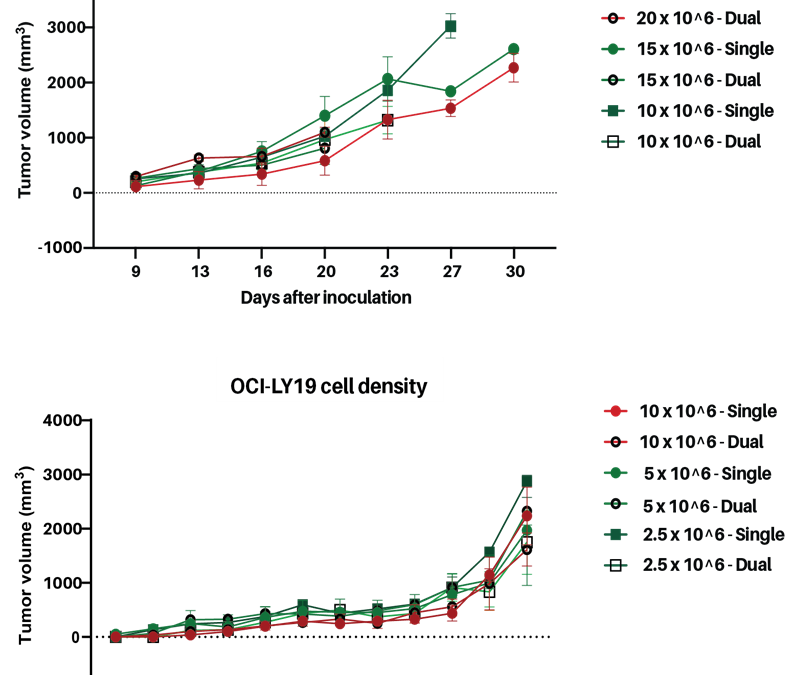
In recent studies, we established and validated two new human lymphoma cell‑line–derived xenograft (CDX) models, generated from the OCI‑Ly19 (diffuse large B‑cell lymphoma, DLBCL) and REC‑1 (mantle cell lymphoma) cell lines. These models were developed in strategic...

Multiplex Cytokine and Immune Cell Profiling in Immuno-Oncology Research
The Meso-Scale Discovery (MSD) platform is a high-sensitivity, multiplex cytokine profiling analysis system, enabling you to simultaneously quantify multiple target cytokines, chemokines, antibodies, and growth factors from minute sample volumes (as low as 1 µL). By...

Pancreatic Cancer PDX Models
Last month, November, represented Pancreatic Cancer Awareness Month; a time to focus on the challenges posed by one of the most aggressive and lethal cancer types. Pancreatic cancer accounts for approximately 3% of all diagnosed cancers in Europe, with pancreatic...

Exploring InnoSer’s Key In vitro Oncology Services: PD-1 PD-L1 Blockade Assay
Immune Checkpoint Blockade in Oncology Drug Discovery In recent years, immune checkpoint blockade has emerged as a groundbreaking therapeutic strategy in immuno-oncology. Programmed cell death 1 receptor (PD-1), and its ligand programmed cell death ligand 1 (PD-L1)...
AAALAC Accreditation
InnoSer has earned the AAALAC accreditation, demonstrating our commitment to responsible animal care and use. AAALAC International is a nonprofit organization that promotes the humane treatment of animals in science through voluntary accreditation and assessment programs. InnoSer’s facilities in the Netherlands and Belgium have been AAALAC-accredited since 2016 and 2020, respectively. Read more about the AAALAC accreditation programme here.

Animal Welfare
The 3Rs impact everything from policy and regulatory change to the development and uptake of new technologies and approaches. This is why InnoSer has ongoing commitment and monitoring of these processes. The steps we practice maximize our ability to replace, reduce and refine animal involvement and facilitate our commitment to these principles when it comes to research and drug development.
info@innoserlaboratories.com