
Alzheimer’s Disease – Tau Seeding Mouse Models
Recapitulate the key structural features and spreading of Tau pathology in Alzheimer’s disease and other tauopathy patients with Tau Seeding Mouse Models
Tau Seeding Mouse Models Key Characteristics
The histopathological hallmarks of Alzheimer’s disease (AD) are extracellular plaques composed of amyloid beta (Aβ) and intracellular inclusions of the protein Tau (neurofibrillary tangles). Tau pathology in AD and other Tauopathy patients (frontotemporal dementia (FTD), frontotemporal lobar degeneration, corticobasal degeneration, progressive supranuclear palsy, Pick’s disease) is strongly associated with neurodegeneration and clinical symptoms.
Injection of brain extract from Tauopathy patients in the mouse brain locally induces Tau pathology. The induced Tau pathology strongly mimics the lesions found in human AD and other tauopathy patients and accordingly spreads to other brain regions. InnoSer has extensive preclinical research experience with Tau seeding mouse models using AD patient-derived brain extracts in different Tau transgenic mice. Using the Tau seeding mouse models, brain extracts from other tauopathies can also be used, mimicking the unique features of Tau pathology in these diseases.
✓ Recombinant aggregates, human brain-derived extracts (AD or FTD-Tau) and mouse brain extracts can be injected into any transgenic line to study the pathologic spread of Tau seeds.

Take advantage of InnoSer’s preclinical research expertise in modeling Tau pathology, flexibility, and collaborative approach for your research. Our in-house neurology experts have long-standing experience with modeling Tau pathology in vivo and are happy to help guide your decision on study design fit for your current research goals.
InnoSer’s neurology expert team possesses relevant experience in working with multiple therapy types, including small molecules, peptides, enzymes, oligonucleotides, gene therapy (viral vectors, e.g., AAVs), and immunotherapies (antibody/vaccine immunotherapies).
Your Alzheimer’s Disease Research Starts Here.
Explore our expertly curated comparison of available mouse models to make faster, data-driven decisions. View example study timeline, recommended readouts, and example data featuring validation datasets across the different mouse models.

Tau Seeding Mouse Models Sample Data

Progression of Tau pathology in the weeks after infusion of human Tau seeds into the hippocampus of Tau mice, as detected by AT8 fluorescent staining.

Human Tau seeds isolated from human AD brain tissue induce AT8-positive Tau cells in Tau mice.
The number of Tau inclusions and associated neuroinflammation or neurodegeneration can be quantified after immunohistochemical (IHC) staining of brain slices. The spreading of Tau pathology can be assessed by examining brain regions distant from the injection site. In addition, we measure (phosphorylated) Tau levels in the brain, cerebrospinal fluid, and blood using ultra-sensitive immunoassays (i.e., MSD, Simoa).
Tau Seeding Mouse Models Readouts
Biological Readouts
Test the efficacy of your treatments with the following biological readouts:
- MSD: Plasma, CSF, and brain (phosphorylated Tau, cytokines, NF-L)
- (Digital) histopathology
- Immunohistochemistry (e.g., pTau, neuroinflammation.)
The People Behind Your Research

Thomas Vogels, PhD, In Vivo Neurology Study Director
Leads an expert team of scientists with vast experience in our Neurology models to help you choose the right model and guide your optimal study design. We provide the solution to accelerating your drug development.
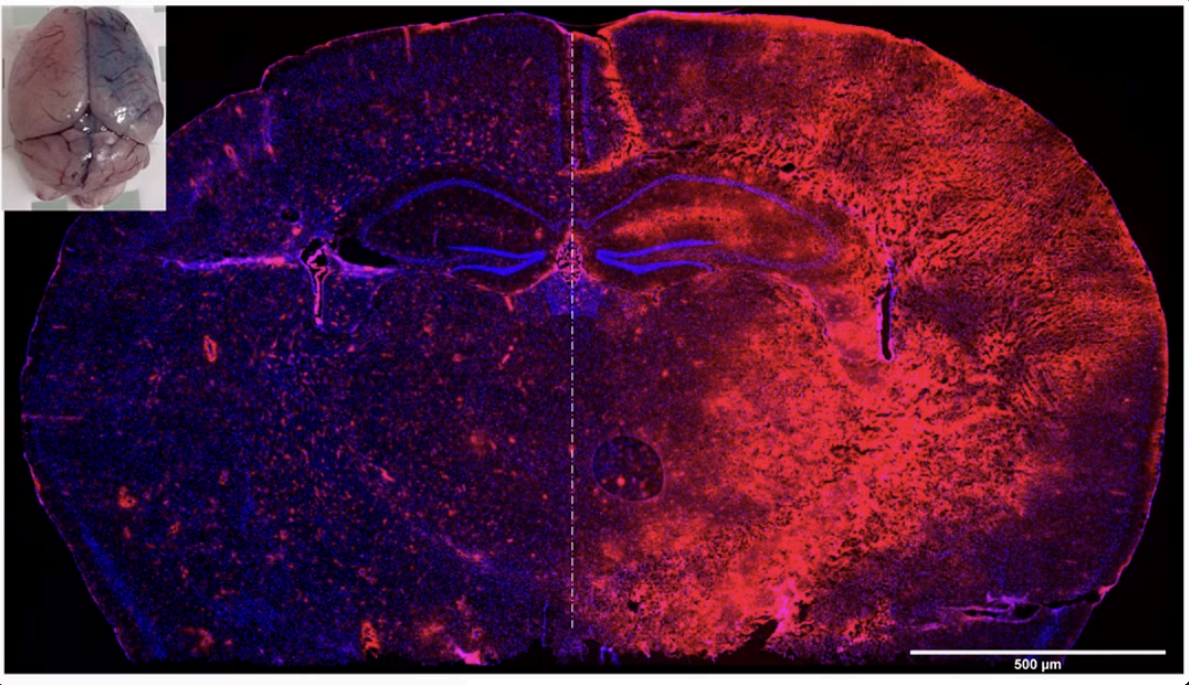
Struggling with getting your therapeutics across the blood-brain-barrier?
Discover how SonoCloud® ultrasound-mediated BBB disruption can improve brain uptake — without altering your compound.
Discover Other Relevant Neurological Diseases Models


Discover InnoSer’s Latest Research
InnoSer and Carthera Launch Preclinical Access to the SonoCloud® Ultrasound Platform for CNS Drug Delivery
Researchers developing central nervous system (CNS)-targeted therapies can now leverage Carthera’s SonoCloud® ultrasound-mediated drug delivery platform, helping inform and enhance preclinical development strategies for novel therapeutics. Diepenbeek, Belgium, and...
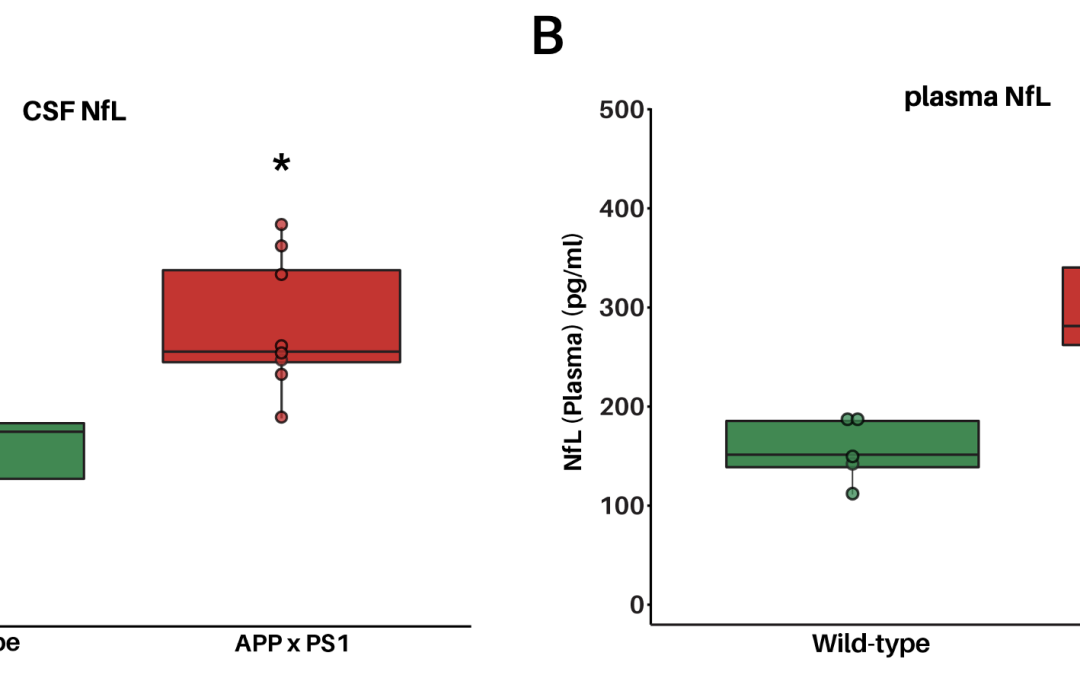
Neurofilament light chain (NfL) in plasma and CSF: A translational biomarker for neurodegeneration in InnoSer’s neurology mouse models
Under normal conditions, neurofilaments, proteins that form the neuronal cytoskeleton, are released at low levels into the extracellular space. From there, they gradually enter the cerebrospinal fluid (CSF) and the bloodstream. Throughout life, levels of...

New insights into TDP-43 mouse model pathophysiology
Earlier this year, we shared data from our phenotyping experiments showing TDP-43 mouse model pathophysiology, consistent with previously published findings in the same mouse model harboring the ALS-linked Q331K mutation in the TDP-43 gene (Watkins et al., 2021). Our...

InnoSer and CureSHANK partner to launch industry-quality preclinical testing service for Phelan-McDermid syndrome (PMS) treatments
Together, CureSHANK, a nonprofit research foundation, and InnoSer, preclinical research CRO, aim to remove barriers to drug development for Phelan-McDermid syndrome treatment by providing the global research community with accessible and industry-standard preclinical...
AAALAC Accreditation
InnoSer has earned the AAALAC accreditation, demonstrating our commitment to responsible animal care and use. AAALAC International is a nonprofit organization that promotes the humane treatment of animals in science through voluntary accreditation and assessment programs. InnoSer’s facilities in the Netherlands and Belgium have been AAALAC-accredited since 2016 and 2020, respectively. Read more about the AAALAC accreditation programme here.

Animal Welfare
The 3Rs impact everything from policy and regulatory change to the development and uptake of new technologies and approaches. This is why InnoSer has ongoing commitment and monitoring of these processes. The steps we practice maximize our ability to replace, reduce and refine animal involvement and facilitate our commitment to these principles when it comes to research and drug development.
info@innoserlaboratories.com